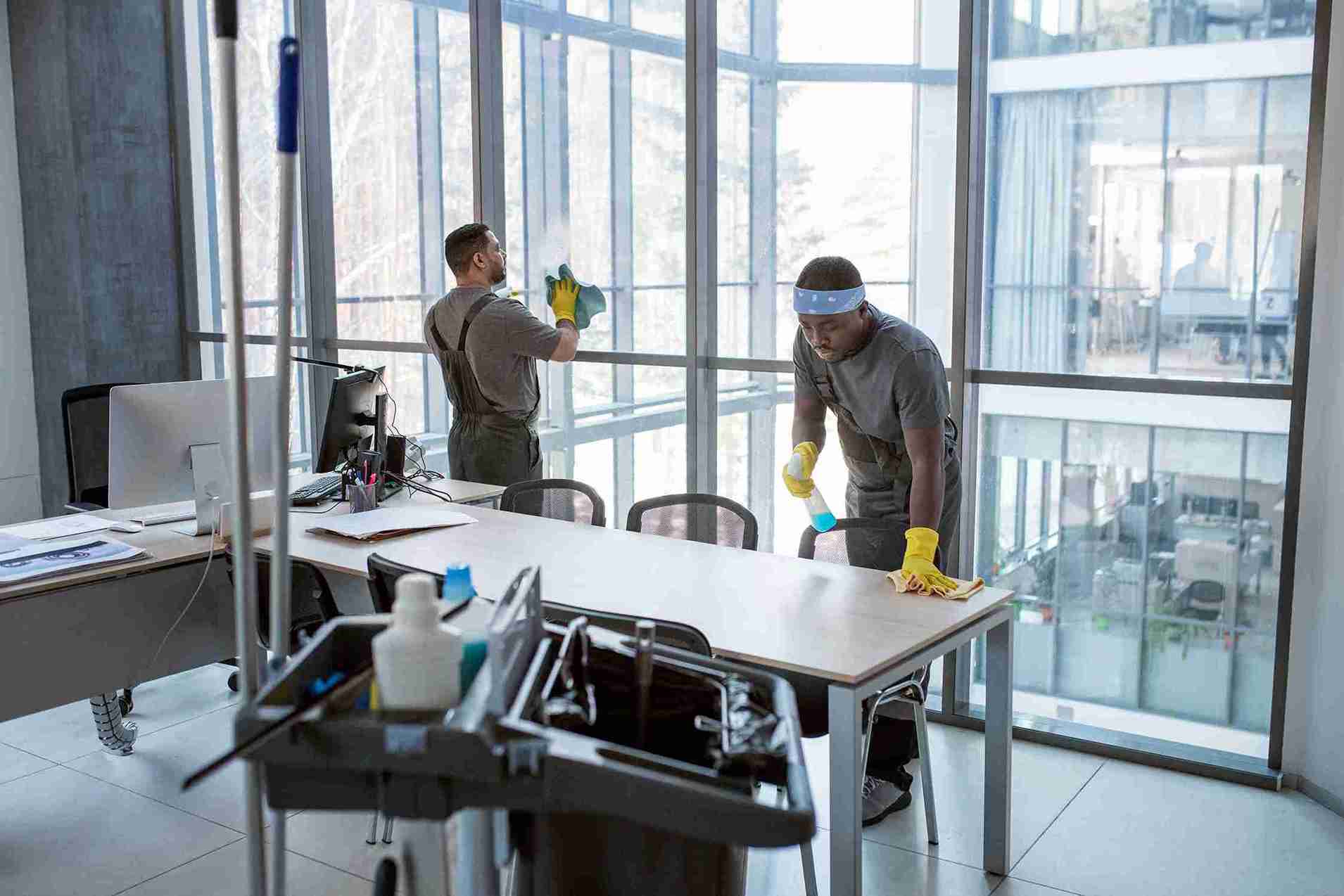
Whether you’re in charge of a hotel kitchen, restaurant, bakery, or catering business, operating a commercial kitchen is a labour of love. Beyond producing delectable meals and ensuring a top-notch client experience in Calgary, cleanliness is the real foundation of your success and the business space you love. A professional commercial kitchen cleaning team will help you ensure this.
A clean kitchen is more than aesthetically pleasing; it also protects your equipment, ensures health and safety compliance, and fosters trust with each diner who enters your establishment. With advice from top food safety organisations and industry professionals, we examine the importance of cleaning a commercial kitchen, important areas to focus on, professional cleaning standards, and actions you can incorporate into your daily routine.
What Makes Cleaning a Commercial Kitchen So Crucial?
Kitchens are often source of foodborne illnesses breaking out at restaurants and catering businesses. Customers can be at serious risk of health issues due to bacteria growing in your kitchen, including Salmonella contamination, E. Coli, and Listeria in food residue.
Moreover, according to the Canadian Food Inspection Agency, commercial kitchen cleaning ensures adherence to local health laws, sparing you of fines, closures, or legal problems that could harm your company’s profitability and reputation.
Lastly, a clean kitchen mitigates the risk of fire disasters, raises the lifespan of valuable equipment, and develops an atmosphere where your employees can work effectively, safely, and proudly.
Important Points in a Commercial Kitchen to Keep Clean
Although a kitchen should be cleaned from top to bottom, some sections are more likely to become contaminated and accumulate accumulation. Let’s go over them:
1. Cooking Equipment Ovens, Stovetops, Grills, Fryers, and Microwaves
These are just some of the items that fall under the CFIA Food Code.
Why: If not cleaned daily, food spills, oil, and burned residues soon develop into a bacterial breeding ground and can also pose fire threats.
2. Surfaces Used for Food Preparation
These consist of tables, butcher blocks, counter tops, and cutting boards.
Cross-contamination elevates the risk of food illness. This happens when bacteria or raw meat juices attach themselves to food that is ready for consumption.
3. Freezers and Refrigerators
These consist of reach-in and walk-in units.
Why? Spills, built-up frost, and expired goods can all jeopardize the safety and quality of food. Monthly deep cleaning combined with daily wipe-downs are advised by NSF International.
4. Systems of Ventilation
This consists of ducts, exhaust fans, and range hoods.
Grease accumulation lowers air quality and raises the risk of fire. Depending on kitchen usage, the National Fire Protection Association requires expert hood cleaning every three to six months.
5. Sinks and Dishwashing Stations:
All dishwasher interiors, sinks, and faucets fall in this category.
Why? Because moist environments encourage the formation of germs, mould, and limescale. Clean dishes and utensils are safe from contamination with proper sanitization.
6. Drains and Floors
These consist of drains, floor mats, tile, and grout.
A quarter of food service worker injuries are a result of slippery surfaces, according to the Occupational Safety and Health Administration. Frequent cleaning minimizes slip hazards and gets rid of grease and debris.
7. Pantries and Storage Spaces
These consist of storage containers, bins, and shelves.
Pests thrive on dust, crumbs, and spills. Food safety regulations are upheld via routine cleaning, appropriate labeling, and FIFO (First In, First Out) rotation.
The Best Ways to Clean a Commercial Kitchen
1. Establish a Cleaning Schedule for Each Day, Week, and Month
The NSF International Food Code recommend creating systematic cleaning procedures that are rigorously adhered to:
- Daily: Clear away garbage, clean floors, sinks, cooking utensils, and surfaces used for food preparation.
- Every week: Deep clean fryers, ovens, freezers, and refrigerators.
- Every month: Deep clean floor drains, walls, ceilings, storage spaces, and exhaust systems.
By ensuring that no work is missed, this schedule maintains a constantly clean atmosphere.
2. Make Use of Approved Sanitizers and Cleaning Agents
Always use cleaning products that have been certified by agencies like the Environmental Protection Agency (EPA) or approved by your local health authority. Surfaces are disinfected without leaving dangerous chemical residues when food-safe sanitizers are used.
3. Educate Your Employees
Without proper usage, even the best cleaning supplies are useless. Regular staff training on proper cleaning techniques, equipment maintenance, and safe methods of handling food lowers risks and raises standards of cleanliness.
4. Use Color Coding to Identify Clothing and Equipment Sources Citation: Servsafe
Cross-contamination can be avoided by using separate, colored towels for routine cleaning, wiping down areas with cooked food, and washing down surfaces with raw meat. For instance, use blue cloths for general surfaces, green for veggies, and red for meat regions.
5. Keep High-Touch Surfaces in Mind
Because employees constantly touch door handles, refrigerator handles, switches, and taps while providing service, they typically harbor bacteria. It is imperative that these locations be sanitized every day.
6. Maintain Your Grease Traps
To avoid obstructions and unpleasant odors, as well as to guarantee adherence to regional wastewater standards, grease traps need to be routinely emptied and cleaned.
When Is the Right Time to Hire a Skilled Commercial Kitchen Cleaning Service?
While staff members’ daily cleaning keeps everything hygienic, other jobs call for specialized knowledge. To ensure fire safety, range hoods and ducts must be professionally degreased, per NFPA guidelines. Deep cleaning services can also guarantee complete sanitization, reach difficult-to-reach places, and give evidence to meet health inspector requirements.
Employing a professional service also gives you peace of mind that all areas adhere to stringent safety regulations while freeing up time for your staff to concentrate on food preparation and customer care.
Professional Kitchen Cleaning’s Advantages
- Compliance: Confidently adhere to regional and federal health and safety regulations.
- Safety: Lowers the danger of workplace accidents and fires.
- Longevity: By avoiding corrosive accumulation, equipment longevity can be increased.
- Efficiency: Allow employees to concentrate on providing excellent food and service.
- Reputation: Make an impression on consumers and inspectors by maintaining immaculate premises.
Why Hire a Commercial Kitchen Cleaning Company?
Because they’re trained professionals, who know exactly how to clean and maintain contaminated surfaces.
Hiring a trained and reliable team means:
- No more last-minute scrambling before inspections.
- You don’t need to worry about health risks under disinfection methods.
- No stressing over surface damage with the wrong tools or cleaners.
Let the pros handle your commercial cleaning for your kitchen, so that you can focus on your kitchen operations.
Besides kitchen cleaning, TeamMade GS also offers you cleaning and maintenance services in the following areas:
- Residential & Commercial Cleaning
- Painting and Surface Restoring Services
- Construction Cleaning Services
- Lawn Maintenance
- Snow Removal
Final Thoughts
Your commercial kitchen is the heart of your business. Just as a homeowner invests in maintenance to protect a property’s value, or like you would have an office cleaning company handle hygiene at a corporate location, a clean kitchen protects your business reputation in Calgary, keeps your staff safe, and delights your customers. In food service, cleanliness isn’t an optional extra – it is the foundation of everything you do.
Integrating daily cleaning routines, training your staff thoroughly, and partnering with professional kitchen cleaning services are important for periodic deep cleans. And in this way, you ensure your kitchen remains not only compliant with regulations but also a joyful place to cook, create, and serve.
Remember: a clean kitchen is a successful kitchen – it shows respect and love for your craft, your team, and the community you feed every single day.