That musty, earthy smell hits you as you walk down the stairs. You see it. A dark, fuzzy patch in the corner or a white, powdery film on a wall. A moldy basement is a common headache for homeowners. It is more than an eyesore. It can damage your home and affect your air quality.
Ignoring the problem will not make it go away. This guide will show you how to safely and effectively remove mold from basement areas for good. We cover everything from identifying the type to preventing its return. Take back your basement.
Understanding Your Mold Problem
First, know your enemy. Mold is a fungus that thrives in damp, dark, and poorly ventilated spaces. Basements are a prime target. You might see different colors.
Black mould in basement areas is the most feared. Stachybotrys chartarum is the technical name. It has a slimy, dark greenish-black appearance. It needs constant moisture to grow.
White mold in basement settings is also common. It can be powdery or fuzzy. It often grows on wood, concrete, and other organic materials. It is sometimes confused with efflorescence, a crystalline salt deposit.
Any type of basement mold needs to be addressed. The color matters less than the root cause: moisture.
Safety First: Essential Gear and Precautions
Before you start, protect yourself. Disturbing mold sends spores into the air. This can cause respiratory issues, allergic reactions, and other health problems.
Do not skip safety gear. You will need:
- An N-95 respirator mask or better.
- Tight-fitting goggles that keep spores out of your eyes.
- Heavy-duty rubber gloves that extend to your mid-forearm.
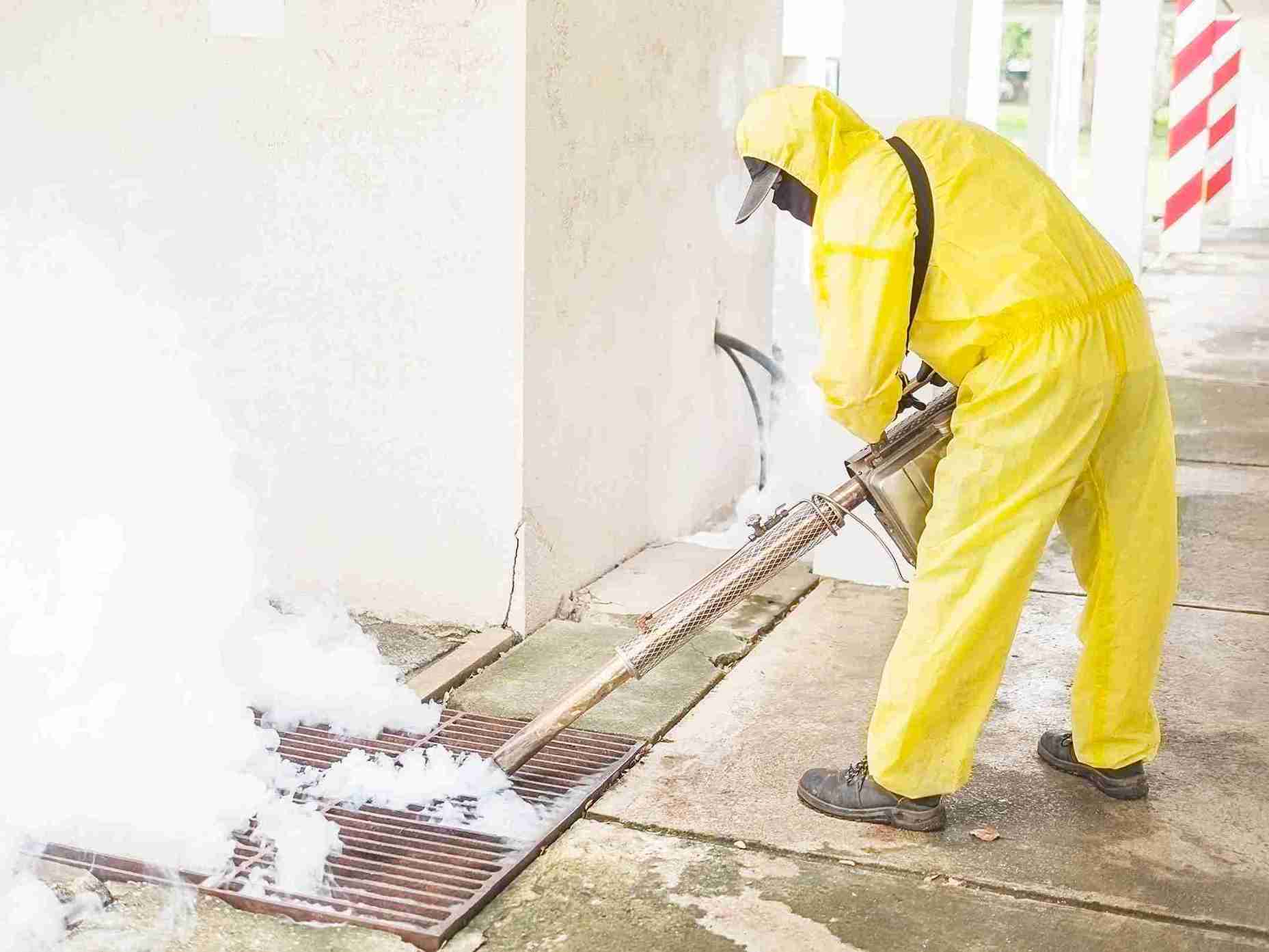
- Old clothes that cover your skin, or disposable coveralls.
Keep everyone else out of the area. Seal off the workspace from the rest of the house if possible. Use plastic sheeting and duct tape. Open windows and doors to the outside to create cross-ventilation. This is non-negotiable.
Your Step-by-Step Guide to Remove Mold from Basement
Now for the action. The process to remove mold from basement walls and surfaces is methodical. Follow these steps.
Step 1: Contain the Area
Isolate the moldy section. Close all doors. Cover air vents and any openings with plastic sheeting. This prevents spores from spreading to other parts of your home during cleaning.
Step 2: Remove Soaked and Porous Materials
Some items are too far gone. Porous materials like carpet, carpet padding, drywall, and insulation that are moldy must be discarded. Seal them in heavy-duty plastic bags before carrying them through the house for disposal.
Step 3: Vacuum the Area
Use a vacuum with a HEPA filter. Thoroughly vacuum all surfaces around the moldy area. This captures loose spores. Do not use a standard vacuum, as it will blow tiny spores back into the air.
Step 4: Scrub and Clean the Mold
This is the core of the project. The cleaning solution depends on the surface.
For non-porous surfaces (concrete, tile, glass, treated wood):
- Create a cleaning solution of one part bleach to four parts water. Alternatively, use a commercial mold remover.
- Apply the solution to the moldy patch and let it sit for 10-15 minutes.
- Scrub the area vigorously with a stiff-bristled brush.
- Wipe clean with a damp rag and allow the area to dry completely.
You can use the same process to clean mold from windows and their frames.
For porous surfaces (wood, concrete):
- A vinegar solution can be more effective. White distilled vinegar is a mild acid that can kill most mold species.
- Spray undiluted vinegar onto the surface. Let it sit for an hour without scrubbing.
- Wipe the area clean with water and allow it to dry.
Step 5: Dispose of Materials and Vacuum Again
Seal all your used rags, brushes, and cleaning materials in a plastic bag. Throw them away. Do a final pass with your HEPA vacuum over the entire zone.
Addressing the Source of Moisture
Cleaning the mold is only half the battle. If you do not fix the moisture problem, the mold will return. It is not a matter of if, but when.
Find the source. Common culprits include:
- Plumbing leaks from pipes or appliances.
- Water seepage through foundation cracks.
- Poor exterior drainage directing water toward your home.
- High humidity from lack of ventilation or a dryer venting indoors.
Fix leaks immediately. Seal any cracks in the foundation with hydraulic cement. Ensure your gutters and downspouts direct water at least six feet away from your home’s foundation.
Preventing Future Mold Growth
A dry basement is a mold-free basement. Make these practices part of your routine.
Control humidity. Use a dehumidifier. Keep the relative humidity level below 50%. Empty it regularly. Ensure your basement is well-ventilated. Use exhaust fans if possible.
Keep it clean. Dust and dirt contain organic matter that mold feeds on. Regular cleaning removes this food source. Immediately dry any wet spots or spills.
Inspect regularly. Check your basement often for signs of moisture or new growth. Catching it early makes removal simple.
When to Call a Professional
This guide is for patches smaller than 10 square feet (about a 3ft x 3ft area). For larger infestations, or if you suspect HVAC contamination, call the experts.
Professional cleaning and maintenance services have the experience and equipment to handle severe problems safely. They offer residential & commercial cleaning for mold remediation. They can also help identify hidden moisture sources you might have missed.
Do not risk your health for a large-scale mouldy basement issue. Professionals ensure the job is done right.
Winning the Battle Against Mold
A moldy basement can feel overwhelming. But with the right approach, you can fix it. The key is a simple formula: safety first, clean thoroughly, and eliminate moisture.
You now know how to remove mold from basement spaces effectively. You can identify it, clean it, and, most importantly, stop it from coming back. Be vigilant. Act quickly at the first sign of moisture. Your basement can be a clean, dry, and healthy part of your home again.